· 2 min read
How to Set a Beauty Budget Using Your Actual Buying Habits
Build a practical beauty budget from recent purchases, replacement needs and products you already own. Separate planned spending from collection value.
By Vannie
A useful beauty budget begins with what you have actually bought and what you expect to need. Separate regular replacements from optional purchases, then choose an amount that fits your wider spending priorities.
Your inventory adds context. Knowing you already have two unopened cleansers can change next month's plan more than choosing a different spreadsheet colour.
Review a manageable period of purchases
Start with recent receipts, order histories and bank records. Choose a period you can review accurately, such as the last few months.
Decide which categories belong in the budget: makeup, skincare, haircare, fragrance and tools can be separate or combined. Keep the rule consistent.
Record actual spending after discounts. Include delivery charges if you want the total to reflect the full transaction, and note refunds separately so the numbers reconcile.
Distinguish purchases from collection value
A collection value is a stock of items at a point in time. Spending is a flow of payments over a period. They are not interchangeable.
An older palette may still belong in your collection even though you paid nothing for it this month. A product bought and finished within the month still belongs in that month's spending.
This distinction prevents a budget from changing simply because you archived an empty.
Separate replacement needs from optional choices
Check which frequently used products are genuinely approaching replacement and whether a suitable backup already exists.
Then list optional purchases you are considering. A new shade and a replacement foundation do not need the same priority, even when both are products you would enjoy.
A budget should leave room for an honest choice rather than turning every optional purchase into a supposed necessity.
Build a simple plan
Here is a hypothetical monthly allocation, not a recommended amount for everyone:
| Category | Planned amount |
|---|---|
| Needed replacement | AUD 35 |
| Optional beauty purchase | AUD 25 |
| Total beauty allocation | AUD 60 |
If a backup removes the replacement need, you can choose to leave the AUD 35 unspent. It does not automatically need to become permission for another purchase.
If your wider finances require a different amount, change the plan. The useful number is one that fits your situation, not a benchmark borrowed from another person's collection.
Give occasional purchases their own context
Some products are bought infrequently and can make one month look unusually high. A quarterly view may explain that pattern better than judging each month alone.
Record what you plan and what you actually spend. If they differ, note why: a return, a changed routine or an unplanned purchase.
Avoid treating a discount as income. Paying AUD 30 instead of AUD 40 still means AUD 30 left your budget.
Use the month-end review to improve the next plan
Compare purchases with what you used. Did you buy a category that already had several open alternatives? Did the replacement you planned turn out to be unnecessary?
Choose one adjustment rather than rewriting every rule. You might check your inventory before sales or pause backup purchases in one category.
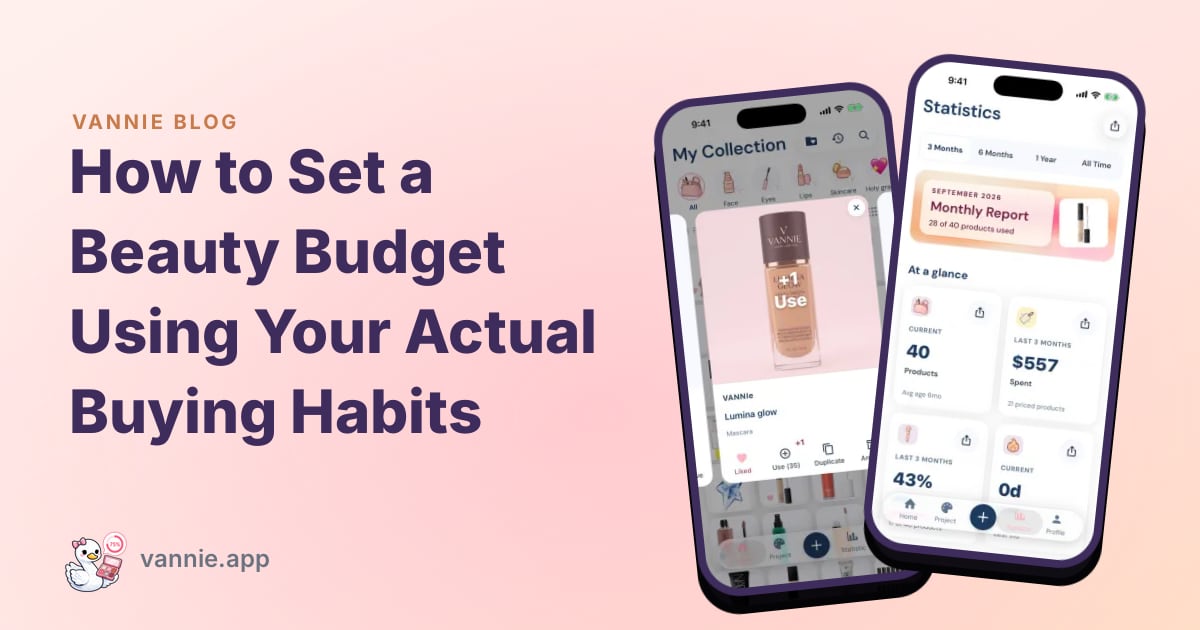
Vannie can help keep purchase details, spending trends and usage records together. Get Vannie for iPhone or Android and use the information alongside your chosen budget method. This guide does not depend on automatic budget limits or alerts; a simple written plan is enough to begin.