· 3 min read
How to Track Makeup Minis and Samples Before They Get Forgotten
Organise makeup minis and beauty samples by product, size and open status. Track what you try and use the results before buying a full size.
By Vannie
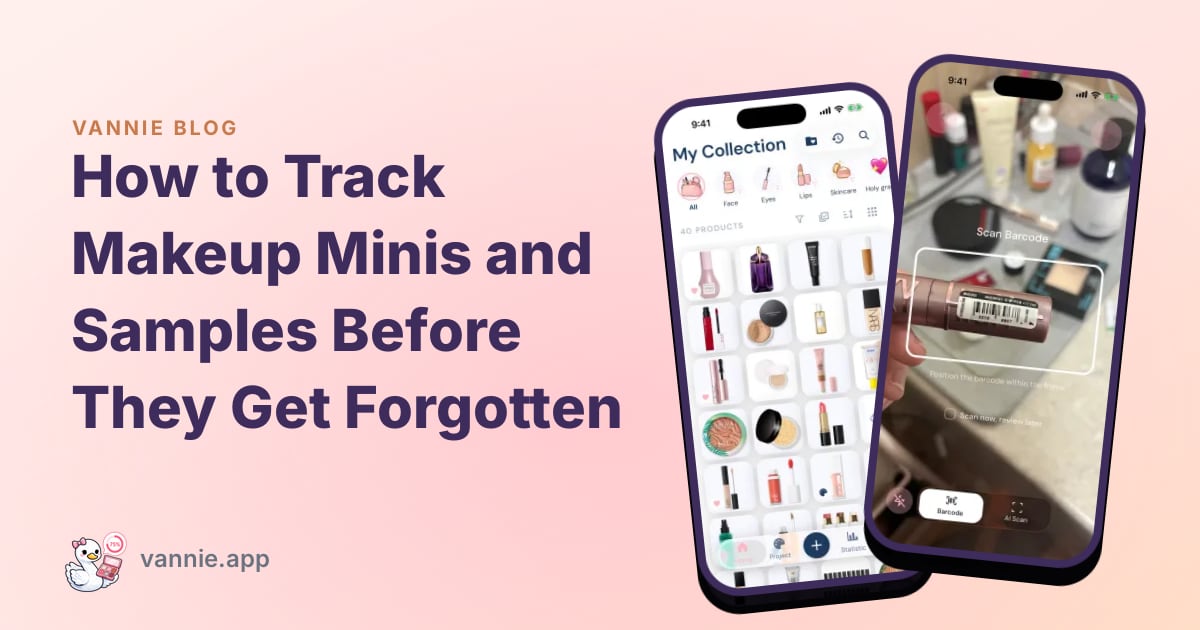
Makeup minis and beauty samples deserve a place in your inventory if they affect what you buy or use. Record what each one is, whether it is open and what you want to learn from trying it.
A sample collection can become hard to manage when every small item disappears into a different bag. Start with one container and a simple review.
Decide which items need individual entries
A recognisable mini with several uses may be worth tracking as its own item. A group of identical unopened samples can be recorded together in a simple note if that is easier.
Choose a rule that matches the detail you want. If you need separate opening dates or finish records, separate entries are clearer.
Do not make a tiny packet a complicated administrative task. The purpose is to remember what you have and what you learned.
Record size and version
Save the exact product, shade and size when supplied. A sample may not be the same shade or version as the full-size product you were considering.
Photograph the label if it is difficult to read. If no quantity is provided, keep it unknown rather than guessing a number for a calculation.
Use a note to identify how the sample entered the collection: a gift, an order inclusion or a purchased set. That context helps when you later review spending.
Separate unopened items from things you are trying
Keep sealed samples distinct from products already in use. Record an opened date when you start one and retain any instructions provided.
Do not open every sample just to decide where it belongs. Choose the items that fit your current routine and keep the rest identifiable.
If packaging information is missing or unclear, seek guidance from the manufacturer rather than relying on a generic shelf-life assumption.
Give each trial a purpose
Choose one question before using a sample. Does the shade suit your current base? Is the format convenient? Would you enjoy this product in your usual routine?
A small sample can offer an initial impression, but it may not answer every question about long-term use. Record that limitation instead of treating a brief trial as conclusive.
For example, “liked the application in two wears” is more precise than “perfect for me” after one small packet.
Keep sample spending consistent
A free sample can have zero personal outlay. That does not require assigning a full retail value and adding it to your cash spending.
For a purchased discovery set, either record the whole payment as a set or allocate the cost across its contents. Avoid counting both.
When reviewing empties, identify samples and minis separately from full sizes if you want to compare your finishing patterns. One packet and one large bottle should not silently become equivalent quantities.
Use the result before choosing a full size
After finishing a sample, write whether you would consider the full product, the same shade and the same formula. Then check what you already own.
Liking a sample does not require buying immediately. An existing alternative may meet the same need, or the mini format itself may be the most convenient choice.
Vannie can hold minis and samples alongside the rest of your beauty inventory, with notes and usage records where helpful. Get Vannie for iPhone or Android and start with the small products currently in your everyday bag.
A sample becomes more useful when its outcome is remembered, even when the outcome is deciding not to buy more.